Fuel Dispenser Installation and Commissioning in Nigeria
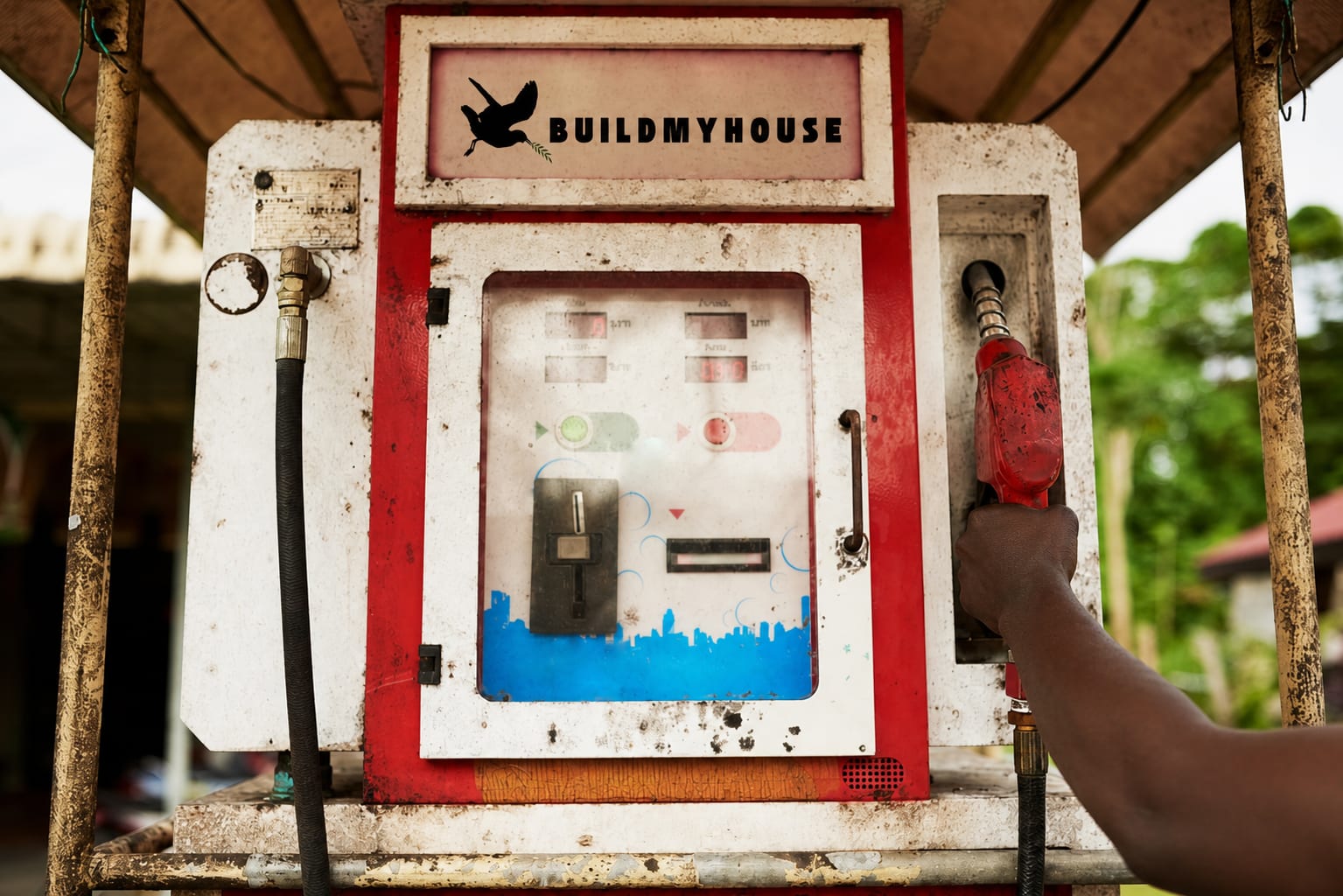
A petrol filling station can be one of the most practical businesses a Nigerian in the diaspora can build back home.
Why?
Because fuel is not a luxury product in Nigeria. People need petrol, diesel, and other petroleum products for cars, buses, generators, transport businesses, farms, estates, construction sites, schools, churches, hotels, logistics companies, and small businesses.
And with local refining capacity growing in Nigeria, including the Dangote Refinery and other refining activity, many serious investors are beginning to look again at the downstream fuel business.
But here is the problem.
Many Nigerians abroad want to invest in a fuel station, but they are afraid.
Not because they do not see the opportunity.
They are afraid because they do not trust the execution.
Who will manage the land preparation?
Who will install the tanks?
Who will install the fuel dispensers?
Who will test the pumps?
Who will verify calibration?
Who will confirm the dispenser is working properly?
Who will make sure money is not disappearing stage by stage?
Who will send real updates instead of “work is going on”?
That is where BuildMyHouse comes in.
BuildMyHouse helps diaspora investors and Nigerian property owners manage fuel dispenser installation and commissioning projects with clearer scope, verified technical workflows, stage evidence, and transparent project tracking through the app or structured WhatsApp support.
If you want to build a petrol filling station in Nigeria, you should not start with blind trust.
You should start with structure.
What Is Fuel Dispenser Installation and Commissioning?
Fuel dispenser installation is the process of setting up the dispensing machines used to sell petrol, diesel, kerosene, LPG, CNG, or other fuel products at a filling station.
Commissioning is the stage where the installed dispenser is tested, checked, calibrated, and confirmed ready for safe commercial use.
In simple terms:
Installation means setting it up.
Commissioning means proving that it works properly.
A fuel dispenser is not just a “pump” that is dropped on the forecourt. It connects to tanks, pipes, electrical systems, control systems, safety valves, meters, nozzles, hoses, and sometimes station automation or payment systems.
If it is installed wrongly, the investor can lose money through leakage, inaccurate dispensing, slow flow, poor customer experience, safety risks, regulatory problems, or repeated breakdowns.
That is why installation and commissioning must be handled carefully.
Why This Service Matters for Petrol Filling Station Investors
A filling station can look beautiful from outside, but if the dispensers are not working properly, the business is not ready.
Your fuel dispenser affects:
how accurately fuel is sold
how quickly customers are served
how much product is lost
whether the station looks professional
whether staff can operate smoothly
whether the business is exposed to safety risks
whether customers trust what they are buying
whether the station can open without constant technical issues
For a diaspora investor, this is even more important because you may not be physically present in Nigeria every day.
You need a system that helps you see what is happening.
BuildMyHouse helps you follow the process from request to installation, testing, commissioning, and post-installation maintenance planning.
Why Nigerians Abroad Should Consider Fuel Station Investment in Nigeria
Many Nigerians abroad are building all their wealth in foreign countries.
They work hard in the UK, US, Canada, UAE, Europe, South Africa, and other places. They pay rent, mortgage, taxes, bills, school fees, insurance, business costs, and staff salaries.
But one hard truth remains:
If that country is not truly your own country, you should not build your entire future there alone.
You need something solid back home.
A petrol filling station is one possible business asset to consider because it is tied to daily Nigerian demand. Cars move. Generators run. Buses work. Logistics companies operate. Construction sites need diesel. Businesses need power. Fuel movement is part of the Nigerian economy.
But the opportunity is not enough.
Execution is everything.
A fuel station project can involve land, approvals, civil works, tanks, canopy, pump island, underground piping, electrical systems, drainage, safety systems, dispenser installation, calibration, commissioning, staffing, supply arrangements, and maintenance.
If you are abroad, you need a trusted system to help you manage the process.
That is the BuildMyHouse advantage.
What BuildMyHouse Helps You Do
BuildMyHouse helps you plan and manage fuel dispenser installation and commissioning as a tracked project.
We help with:
fuel dispenser installation planning
site and forecourt readiness review
technical scope definition
dispenser type selection support
PMS dispenser installation
diesel / AGO dispenser installation
multi-product dispenser installation
piping and electrical coordination
pump island setup tracking
STP or suction system coordination
calibration and metering checks
safety checks before use
commissioning documentation
stage-by-stage progress updates
technician communication
maintenance planning after installation
BuildMyHouse does not treat your fuel station project like a random artisan job.
We treat it like a serious commercial asset.
Who This Service Is For
This service is for:
Nigerians abroad planning to build a petrol filling station in Nigeria
diaspora investors looking for a profitable business back home
landowners converting roadside land into fuel station use
filling station owners replacing old fuel dispensers
petrol station investors installing PMS and AGO dispensers
operators upgrading outdated pumps
businesses setting up private diesel dispensing for fleet operations
estate, logistics, construction, or transport operators needing fuel dispensing systems
Nigerian entrepreneurs who want technical work tracked properly
If you are abroad and you want to build a fuel station without being physically present every week, this service is especially for you.
Types of Fuel Dispensers We Can Help You Install
Depending on the project scope, BuildMyHouse can help coordinate installation and commissioning for:
Single-Nozzle Fuel Dispensers
These are used where one product line or one dispensing point is needed.
Dual-Nozzle Fuel Dispensers
These are common for stations that need more serving capacity from one dispenser body.
Multi-Product Dispensers
These can support multiple fuel products such as PMS and AGO depending on the system configuration.
PMS Dispensers
For petrol dispensing at filling stations.
AGO / Diesel Dispensers
For diesel sales, commercial fleets, generators, construction equipment, transport companies, and industrial users.
LPG and CNG Dispensers
Where applicable, gas dispensing systems require specialized safety, piping, pressure, valve, and leak-detection considerations.
Fleet Fuel Dispensers
Useful for businesses that operate trucks, buses, construction machinery, logistics vehicles, or company cars.
The BuildMyHouse Fuel Dispenser Installation Process
Here is how the process can work.
1. Project Intake
You tell BuildMyHouse what you want to do.
We collect:
project location
land or station status
fuel station type
number of dispenser points
product type, such as PMS, AGO, DPK, LPG, or CNG
photos or videos of the site
existing station layout if available
budget direction
timeline
whether this is a new station or upgrade
If you are abroad, this can start on the BuildMyHouse app or through structured WhatsApp support.
2. Scope Definition
Before money starts moving, the scope must be clear.
We help define whether the work includes:
new dispenser installation
replacement of old dispensers
piping connection
electrical connection
pump island readiness
tank-to-dispenser connection
STP or suction system work
calibration
commissioning
testing
operator handover
maintenance support after launch
This prevents the common problem of hearing later that “this one is not included.”
3. Technician or Contractor Matching
BuildMyHouse helps connect the project to relevant verified professionals or technical partners who can handle the work.
For fuel dispenser projects, the wrong technician can cost you heavily.
This is not the kind of work where you should call “one guy” because someone forwarded a number.
You need people who understand fuel equipment, safety, calibration, piping, electrical coordination, and commissioning.
4. Stage Plan Creation
The project is broken into stages so the investor can track progress.
Typical stages may include:
site readiness check
dispenser delivery confirmation
pump island and base preparation
piping and electrical preparation
dispenser installation
dry testing
wet testing
meter calibration
safety checks
commissioning
handover and maintenance planning
This is how BuildMyHouse helps you avoid blind payment.
You should know what stage the project is in before approving the next step.
5. Installation
The technical team installs the dispenser based on the agreed scope.
This may involve:
positioning the dispenser
anchoring and base alignment
pipe connection
electrical connection
control system connection
hose and nozzle setup
safety valve checks
dispenser configuration
forecourt integration
The homeowner or investor can receive updates as the installation progresses.
6. Testing and Calibration
After installation, the dispenser must be tested.
Testing may include:
dry testing before product flows
wet testing with product
leak checks
meter calibration
flow rate checks
nozzle checks
display checks
emergency shut-off checks
power and electrical safety checks
Calibration is important because inaccurate dispensing can destroy trust and reduce profit.
If your dispenser gives out more fuel than recorded, you lose money.
If it gives customers less than expected, you lose trust and may create regulatory or reputational problems.
7. Commissioning and Handover
Commissioning confirms that the dispenser is ready for use.
At this stage, the project should have:
completed installation
tested dispenser
calibration confirmation
safety checks
basic operator guidance
maintenance recommendations
final photos and videos
completion update
BuildMyHouse helps make this stage visible so the investor understands what has been done.
What We Track for You
On BuildMyHouse, the project can be tracked with:
stage status
photos and videos
technician updates
material or equipment lists
receipts or invoices where available
installation notes
testing notes
calibration status
safety checks
maintenance recommendations
chat history
payment or approval milestones
If you are in the diaspora, this is the real value.
You do not just hear “we are working.”
You see the process.
Why Fuel Dispenser Installation Should Not Be Done Casually
Fuel dispenser installation is a technical and safety-sensitive service.
A poor installation can lead to:
fuel leakage
inaccurate dispensing
electrical faults
slow fuel flow
customer complaints
dispenser breakdown
fire safety risks
product loss
regulatory issues
downtime after opening
repeated repair costs
This is not like fixing a small tap in a bathroom.
This is equipment that connects directly to a commercial fuel business.
If it fails, your station can lose money every day.
Common Mistakes Fuel Station Investors Make
1. Buying Land Without Thinking About Forecourt Layout
Not every roadside land is ideal for a filling station. Access, road setback, traffic flow, drainage, turning radius, safety distance, and approval issues matter.
2. Buying Dispensers Before Technical Planning
The dispenser must match the business model, tank setup, expected traffic, product type, and station layout.
3. Using Random Technicians
A fuel dispenser technician must understand the equipment and safety requirements. Random installation can create long-term problems.
4. Ignoring Calibration
A dispenser that is not properly calibrated can quietly lose money every day.
5. Paying Without Stage Evidence
If you are abroad, do not release money only because someone says “installation has started.”
Ask for photos, videos, receipts, stage explanations, and testing proof.
6. Forgetting Maintenance
A fuel dispenser business does not end after installation. Maintenance is what keeps the pumps working and the station profitable. BuildMyHouse can also assist you with a tracked maintenance service, so you can focus on the business aspect of your filling station.
BuildMyHouse as Your Trusted Execution Layer
BuildMyHouse is built for Nigerians who want to execute property and infrastructure-related projects in Nigeria without losing control.
For diaspora investors, the biggest fear is not always lack of money.
It is lack of trust.
You may have the money to buy land.
You may have the money to start a filling station.
You may even have contacts for fuel supply.
But if you cannot trust the execution, the project becomes risky.
BuildMyHouse gives you a clearer way to manage the project from abroad.
We help you structure the work, match with relevant professionals, track project stages, keep communication organized, request proof, and reduce the chances of money moving without clarity.
That is why BuildMyHouse is the trusted platform diasporans can use when they want to pull off serious projects in Nigeria without being scammed through confusion, fake progress, or pressure-based payments.
Can BuildMyHouse Help With the Whole Fuel Station Project?
Yes, BuildMyHouse can help you start with the specific service of fuel dispenser installation and commissioning, and we can also help structure related stages around the project.
A petrol filling station project may involve:
land selection support
site preparation
civil works coordination
tank installation tracking
forecourt works
canopy works
pump island preparation
electrical works
fuel dispenser installation
safety and testing checks
maintenance planning
repair support after launch
Some of these may require specialist contractors, approvals, and regulatory compliance. BuildMyHouse helps you organize and track the process more clearly instead of trying to manage everything through scattered WhatsApp messages.
Repairs and Maintenance After Installation
After your fuel dispensers are installed and commissioned, BuildMyHouse can also help you with regular repairs and maintenance.
This may include:
dispenser servicing
meter calibration checks
slow flow troubleshooting
nozzle replacement
hose replacement
filter cleaning or replacement
leak checks
electrical fault checks
pump motor issues
faulty display issues
STP troubleshooting
piping issues
emergency repair coordination
scheduled maintenance planning
A filling station is not a one-time installation business.
It is an operating business.
Your equipment must keep working.
BuildMyHouse can help you manage repair and maintenance requests through the platform or structured WhatsApp support, with clearer updates and better accountability.
Why Diaspora Investors Should Act Early
If you are earning abroad and you are serious about building something in Nigeria, do not wait forever.
A fuel station may not be for everyone, but for the right investor, it can be a strong business asset.
The important thing is not to rush blindly.
Start with:
land search and verification
business feasibility
regulatory requirements
station design
equipment planning
trusted installation team
stage-based budget
ongoing maintenance plan
If lack of trust is what has stopped you from building back home, BuildMyHouse was created for that exact problem.
You can build in Nigeria with more visibility.
You can track progress.
You can ask for proof.
You can keep communication organized.
You can start with one service and grow into a bigger project.
Service Areas
BuildMyHouse can support fuel dispenser installation and petrol station project coordination across Nigeria, including:
Lagos
Ogun
Oyo
Abuja
Port Harcourt
Enugu
Anambra
Asaba
Benin
Ibadan
Lekki
Ajah
Ibeju-Lekki
Epe
Ikorodu
Abeokuta
and other Nigerian locations depending on project scope and technical availability
BuildMyHouse in Lagos
BuildMyHouse Technologies
7 Ransome Kuti Rd, Akoka, Lagos 100001, Lagos, Nigeria
Phone: +2348139036559
Website: buildmyhouse.app
Start Your Fuel Dispenser Installation Project
If you are a Nigerian abroad planning to build a petrol filling station in Nigeria, do not start with blind trust.
Start with a tracked project.
BuildMyHouse helps you install and commission fuel dispensers with clearer scope, verified technical workflows, stage updates, and transparent communication.
Whether you are starting a new petrol station, upgrading an old station, or planning a filling station business from abroad, BuildMyHouse can help you manage the process more safely and professionally.
Start your project at buildmyhouse.app