He Fixed One Leak. Then Two More Started Dripping.
Based on a true-life story. Names and details are changed; this is a fictional composite.
The night the parlour ceiling gave way
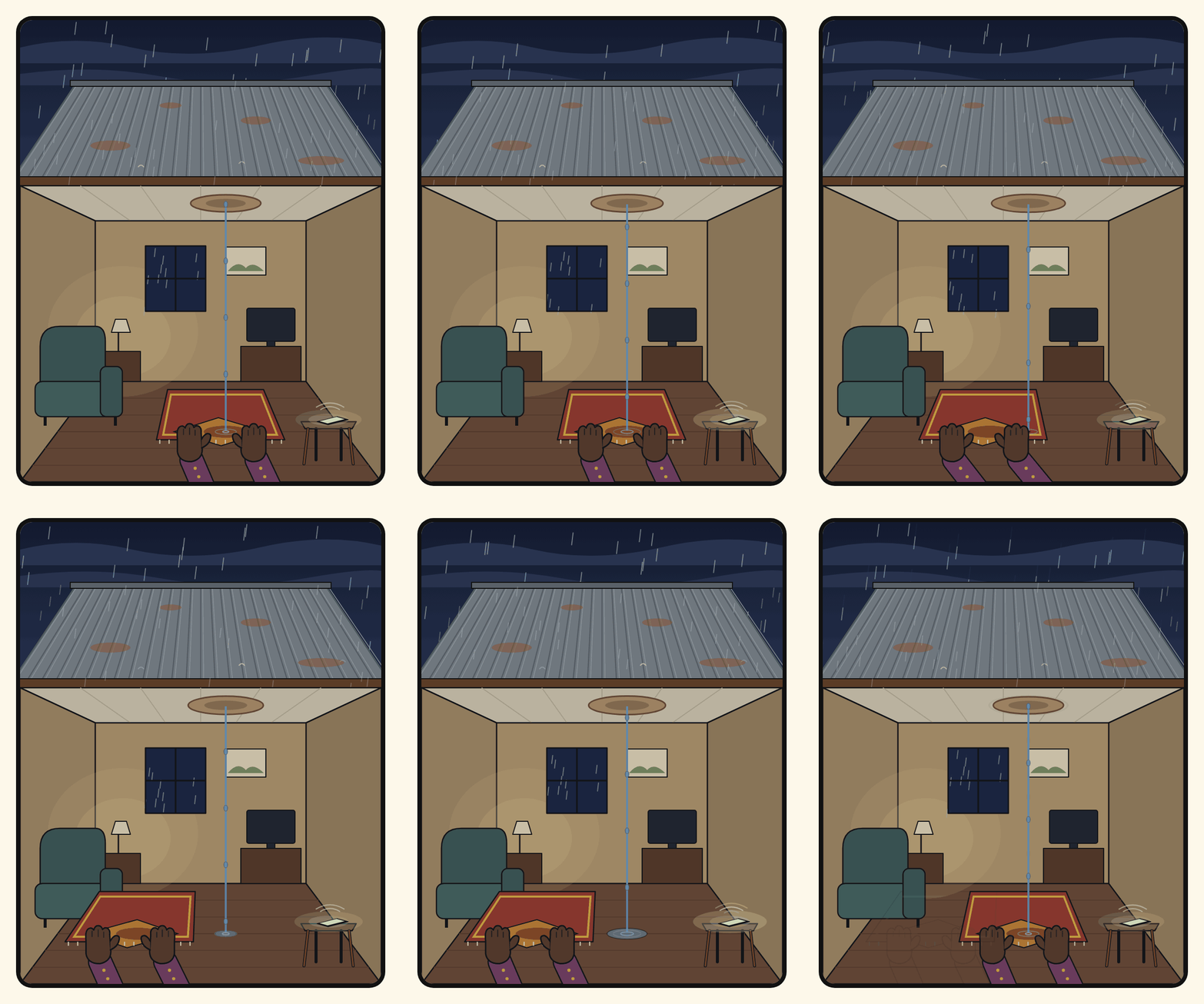
The call came just after Tunde finished a long shift on the ward in Manchester. It was late in England and later still in Ibadan, and rain was hammering the roof of the family house so loudly that he could hear it down the phone line before his mother said a word. Water was coming through the parlour ceiling. Not a few drops. A steady line of it, falling onto the rug his late father bought years ago, spreading a brown ring across the ceiling boards.
Tunde did what most of us abroad do in that moment. He stayed calm for her sake, told her to move the rug and the television, and started making calls. By morning a cousin had found a carpenter who said he knew roofs. The carpenter climbed up, looked around, and named his price. Tunde sent the money that afternoon. Two days later a photo came through on WhatsApp: a fresh patch on the roofing sheet, right above the parlour. His mother said thank you, God. The cousin said it was sorted. Tunde breathed out for the first time in a week.
Then the next rain came.
The parlour spot was dry. But two other parts of the ceiling, one over the passage and one near the dining corner, started dripping. His mother brought out the buckets again. She did not complain much, because she never does, but Tunde could hear the tiredness in how she described where each bucket was standing.
Now he had a question he could not answer from Manchester. Was this a new leak? Was it a bad repair? Or was it something worse, a man creating his next job? He had paid for a roof he had never seen from above, and he had no way to stand on it after the rain and find out.
He is not the only one asking. A homeowner wrote on a Nigerian forum: "To our surprise, the next time, that side wasn't leaking, but two other sides starts dripping. Could it be that this carpenter intentionally opened a new hole so we can contact him again or it is a new leakage?" Another comment read, more simply: "My leaking roof wan give me high BP."
If you are trying to fix a leaking roof in Nigeria from abroad, you probably know this feeling well.
Why a roof leak rarely starts where the water shows
Here is the part nobody explains when you are paying by transfer: the spot where water drips into the room is usually not the spot where water enters the roof.
Rainwater gets in through a gap somewhere above, then travels. It runs along the rafters, slides across the top of the ceiling boards, and follows the easiest path down until it finds a weak joint or a soft board. That might be a metre away from where it entered. It might be the other side of the room. So when someone climbs up and patches the sheet directly above the wet patch, they may be sealing a spot that was never the real problem. The water simply finds its next path, and a new stain appears somewhere else.
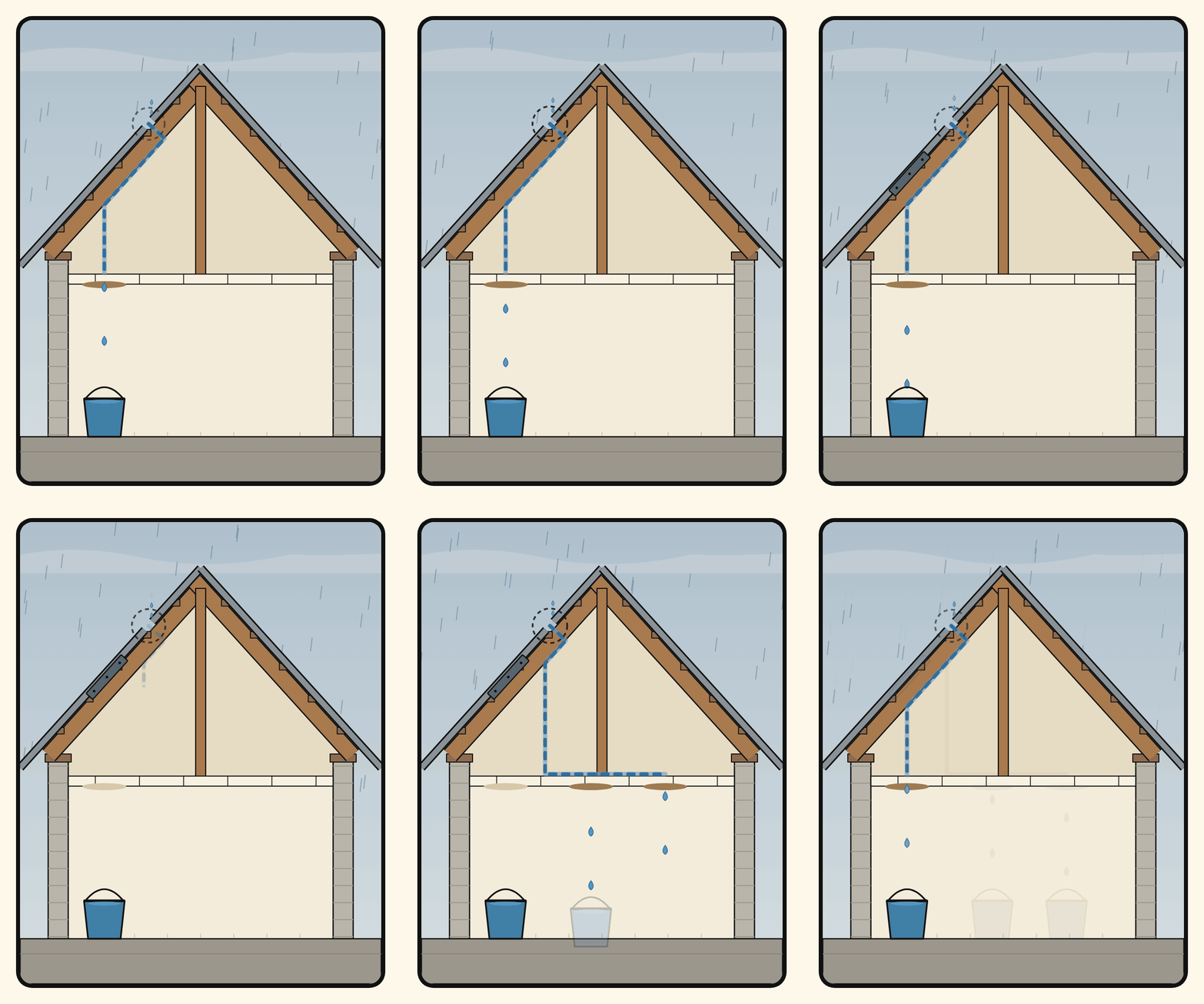
On an older family house, the real causes are often spread across the whole roof, not sitting in one place. Common ones include:
Cracked or shifted roofing sheets, especially on roofs that have taken years of sun and heavy rain.
Rusted or loose nails, which leave small holes that open wider each season.
Failed flashing, the strip that seals the joint where the roof meets a wall, a parapet or the base of a water tank stand.
Blocked gutters, which push water back under the sheets instead of carrying it away.
Worn ridge caps, the covering along the top line of the roof, where two slopes meet.
There is one more cause that families rarely think about. Old roofing sheets can be brittle. A worker who walks across them carelessly, stepping between the purlins instead of on them, can crack new points while fixing the old one. That is why some leaks appear right after a repair. It is not always dishonesty. Sometimes it is a careless foot. From abroad, though, the two look exactly the same.
As one comment put it: "Some workers have gone up to make repairs but made things worse. It will be a blessing to get an experienced and honest workman to fix the roof."
The trap of paying for activity instead of a result
When you repair your parents' house in Nigeria from abroad, you are not really buying a repair. Without meaning to, you are buying activity. Someone climbed the roof. A photo arrived. The cousin said it was done. Each of those things feels like progress, and each one triggers a payment. None of them tells you whether the roof will stay dry.
The deeper problem is that "fixed" was never defined. Nobody agreed what the job was, so nobody can be held to it. The carpenter patched what he saw and, in his mind, he finished. Your mother saw a man go up and come down, and in her mind it was finished. You saw a photo of a sealed spot and paid. Three people, three ideas of done, and not one of them is "the ceiling stays dry after the next heavy rain."
Family members mean well. Your cousin found someone quickly, at a time you needed help, and that matters. But a cousin is not a roofer, and your mother is not going to climb a ladder in the rain. Asking them to judge roofing work puts them in an unfair position, and asking too many questions can feel like accusing the very people who stepped in to help.
Then the next leak comes, and the conversation starts from zero. There is no written record of what was done last time, which sheets were changed, which nails were replaced or what was paid for. The photos are buried somewhere in a WhatsApp group between birthday messages and prayer chains. So you pay for another call-out, and another, and the roof keeps winning.
What to do instead: a practical checklist
You cannot stand on the roof yourself. But you can change the order in which things happen, so that money only moves when you can see a result. If you are looking for a roof repair contractor in Nigeria from the diaspora, or you already have one, these steps help.
Pay for an inspection before you pay for the repair. Ask the roofer to walk the whole roof, not just the wet spot, and send clear photos and a short video of every problem point: each cracked sheet, every rusty nail line, the flashing around walls and the tank stand, the gutters and the ridge. This is a small, separate job. It tells you what is actually wrong before anyone starts cutting or patching.
Get a written scope. From that inspection, ask for a simple written list: which sheets will be replaced, which nails, which flashing will be redone, what materials, what quantity and what price for each. It does not need to be fancy. It needs to be specific enough that you and the roofer would describe the job the same way.
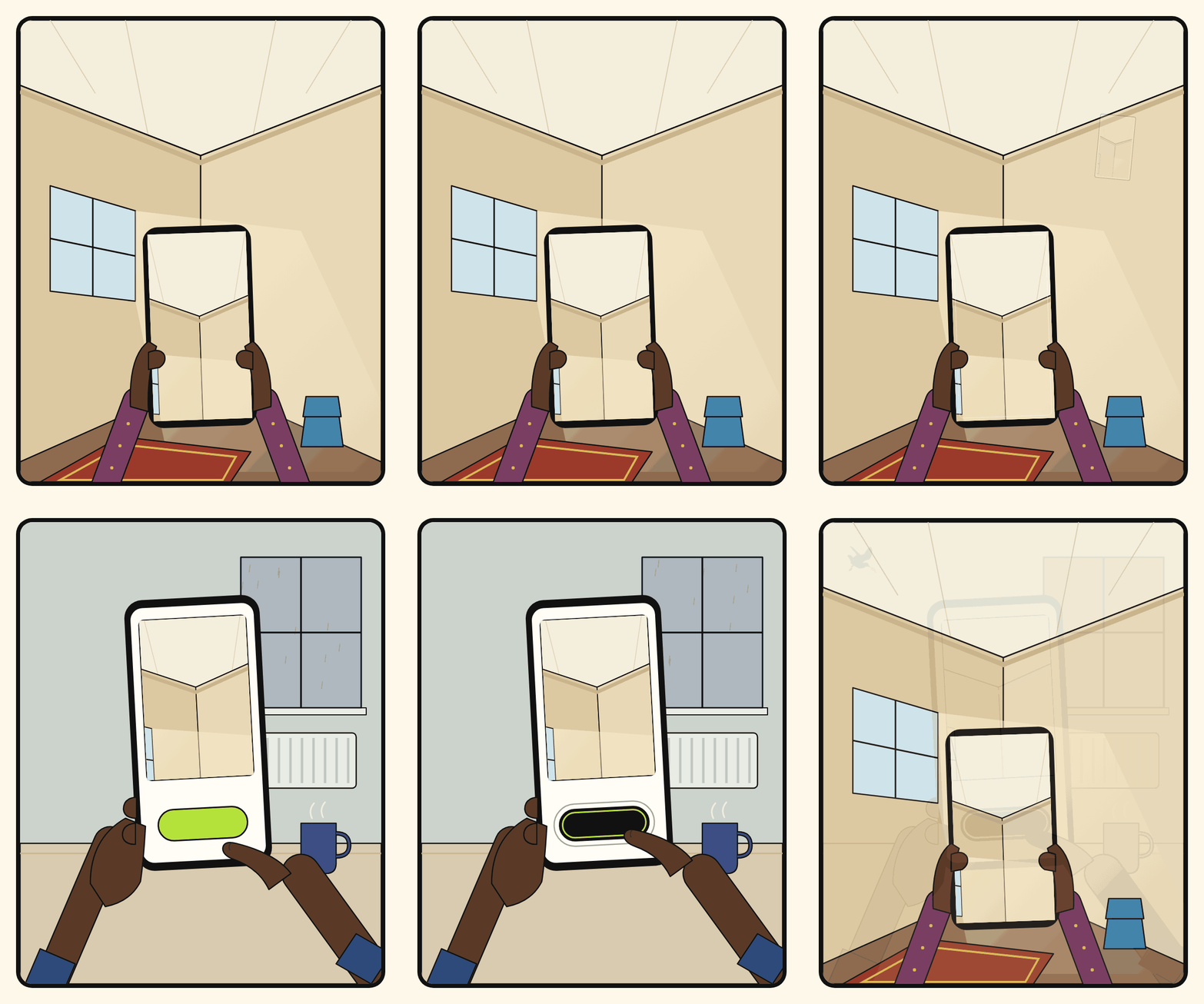
Define "fixed" before any money moves. Agree on it plainly: the ceiling stays dry after the next heavy rain, with photos of the same ceiling spots taken after that rain. This one sentence protects everyone. The roofer knows the target, your mother knows what to photograph, and you know when the job is truly finished.
Pay in parts. Release money for materials, or a reasonable deposit, to start. Hold the balance until after the after-rain check. A good workman will understand this, because it rewards the person who solves the problem rather than the person who simply shows up.
Keep before, during and after photos of the same spots in one place. Not scattered across WhatsApp chats. The same ceiling corner, the same section of roof, photographed before the work, during the work and after the rain. If a new leak appears next season, you will know exactly what was done and where, and you will not be starting from zero.
None of this requires you to distrust your family. It simply gives everyone, including the roofer, the same clear picture of the job.
The same repair, done in the right order
Go back to Tunde for a moment, and picture the same night, the same call, the same rain.
This time, before any patch, a roofer walks the entire roof and sends photos and a video of everything he finds. It turns out the parlour drip was only the loudest symptom. There are rusted nails along one slope, a gap in the flashing where the roof meets the wall, and a blocked gutter on the dining side that pushes water back under the sheets. Tunde reads the written scope on his break at work, asks two questions, and approves it.
The work happens. Photos come in during the job, showing the same sections that were photographed before. Tunde sends money for materials and the first part of the labour. He holds the rest.
Then the rain comes, a proper Ibadan downpour. The next morning his mother walks through the parlour, the passage and the dining corner and sends photos of each ceiling spot. All dry. No buckets.
Only then does Tunde release the balance. And this time, he knows what his money became.
Where BuildMyHouse comes in
BuildMyHouse is a project management software-enabled platform that puts that same order around property repairs in Nigeria for people who are abroad. It starts with a written scope of the work. Then a named person is matched to do it. The job is broken into stages. Each stage comes back with proof, so you can see the same spots before, during and after. You approve the stage. Only then does the money for that stage move.
It does not replace your family or ask you to stop trusting them. It means that the next time your mother calls about water on the ceiling, you are not paying for a climb and a photo. You are paying for a stage you have seen and approved, and every step is kept in one record instead of a WhatsApp group.
If your parents' roof is leaking and you're managing it from abroad, start with a written scope on buildmyhouse.app.
Based on a true-life story. Names and details are changed; this is a fictional composite, not a BuildMyHouse customer or project.